
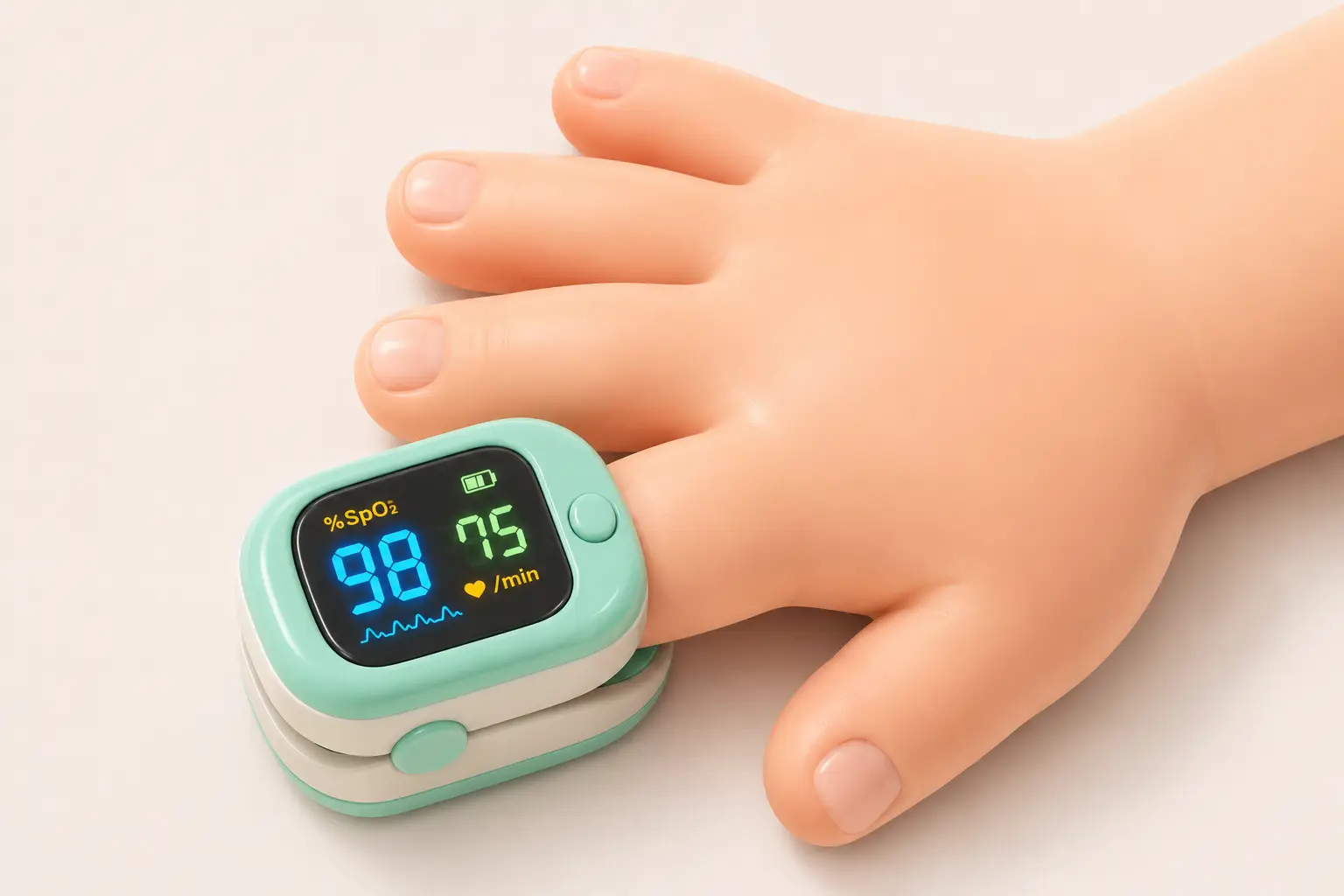
Clipping a tiny device onto your finger and watching the numbers appear on a little screen is oddly satisfying, like being your own doctor minus the medical school debt. I started keeping a fingertip pulse oximeter at home during the pandemic, back when checking oxygen levels turned into a national pastime, and I just never stopped. It is one of those gadgets that feels excessive right up until someone in the house spikes a fever at midnight, and you are quietly grateful it has been sitting in the drawer this whole time.
The good news is pulse oximeters are affordable now, and there are plenty of options on Shopee that will not hurt your wallet. The not-so-good news is the choices can feel overwhelming when every listing looks the same. Some are from established brands, some are white label generics with optimistic spec descriptions, and deciding which one is worth your money requires more than just picking the cheapest with a four-star rating. So I put together this roundup of the ones worth your time, covering everything from the dependable Indoplas lineup to budget alternatives for the more adventurous shopper.
Fingertip Pulse Oximeter Picks Worth Checking Out
1. Indoplas Pulse Oximeter SPO2 Medical 5550 with Respiratory Rate FDA Certified
This is the version of the 5550 that goes the extra mile by tracking respiratory rate (RR), which most basic pulse oximeters skip entirely. It is Philippine FDA-certified, features a 2-color TFT display, has an alarm for abnormal readings, and includes a continuous monitoring mode, making it more suitable for households where someone has a respiratory condition that requires regular monitoring. It is one of the more feature-complete options on this list, and the FDA certification is the local one that actually matters for buyers here.
2. Indoplas Innovo Premium Rechargeable Pulse Oximeter
If buying AAA batteries repeatedly annoys you as much as it annoys me, this rechargeable version is worth a look. It measures SpO2, pulse rate, and PI with the same ±2 accuracy as the rest of the Indoplas lineup, but with a built-in rechargeable battery that saves you the midnight scramble through drawers looking for batteries that are never where you left them. The LED display shows a pulse waveform and the device powers on and off automatically, meaning less fumbling when you are in a hurry or half asleep.
3. iCare OX001 Fingertip Pulse Oximeter
The iCare OX001 is the budget pick in this lineup, often available for under ₱600, and it covers the basics without asking too much of your wallet. It measures SpO2 across the full 0 to 100% range and pulse rate from 30 to 250 bpm with a ±2 margin of error, runs on AAA batteries, and has a clean LED display with automatic power on and off. If you just need something reliable for occasional checks and are not fussed about extras like PI or waveform display, this one does the job without drama.
4. Medical Finger Pulse Oximeter RR Blood Oxygen With Respiratory Rate Rechargeable Oximeter SPO2 PR PI
This no-name brand option is included because the spec sheet is competitive for the price. It claims to measure SpO2, pulse rate, perfusion index, and respiratory rate all in one, runs on a rechargeable battery, and is compact enough for travel. The usual caveat with generic Shopee listings applies: check the seller’s reviews carefully, confirm the unit matches what was advertised, and temper expectations about after-sales support compared to an established brand.
5. Indoplas Achieve 9570 Standard Pulse Oximeter
The Achieve 9570 is probably the most recommended Indoplas model for home use for good reason. It measures SpO2, pulse rate, and perfusion index (PI) with a ±2 margin of error, has a bright LED display showing both a pulse bar graph and waveform, and adjustable brightness—a small detail I appreciate more than I expected at 2am when everyone else is asleep. It runs on AAA batteries, auto powers off when not in use, and comes in blue if you like your medical devices to have personality.
6. Indoplas SPO Medical 5550 Pulse Oximeter (NONIN)
The SPO Medical 5550 NONIN variant is the upgraded sibling of the standard 5550, priced at around ₱1,299. It tracks SpO2 and pulse rate with the reliable accuracy Indoplas is known for, runs on AAA batteries, and has a clean LED display with auto on/off. The NONIN designation refers to sensor technology that is generally associated with better signal quality and more stable readings, particularly for people with poor circulation or darker skin tones, where cheaper sensors can struggle to lock on.
7. CE Finger Pulse Oximeter Finger Clip Oxygen Saturation Monitor PI Respiratory Rate Heart Rate Meter
Another no-brand entry, this CE-marked device tracks SpO2, PI, respiratory rate, and heart rate, which is a respectable list of metrics for a generic product. CE marking means it meets European safety standards, which is something, though it is not the same as Philippine FDA registration. It is worth considering whether budget is the real priority and whether you are comfortable doing your own due diligence on the seller, but for a device specifically meant to tell you whether your blood has adequate oxygen, I lean toward options with more transparent local certification.
8. Yongrow Rechargeable Pulse Oximeter Finger Blood Oxygen Saturation with Case
The Yongrow is a rechargeable option from a Chinese medical device brand with a solid track record on Shopee. It measures SpO2 and pulse rate with a ±2 margin of error, comes with a carrying case, and has sound and light alarms for abnormal readings—a feature more oximeters should have because staring at numbers is not always reliable. At around ₱1,297 it is priced similarly to the Indoplas 5550 NONIN but offers alarms and rechargeable convenience as main advantages.
What to Actually Know Before Buying a Fingertip Pulse Oximeter
The most important number your oximeter gives you is SpO2, or blood oxygen saturation. Normal readings for a healthy adult are generally between 95% and 100%, and anything consistently below 94% warrants a conversation with a doctor rather than a second opinion from another oximeter app. The margin of error on consumer devices is typically ±2%, so a reading of 90% could be anywhere between 88% and 92%. Context matters and a single number should never be your only data point before panicking or deciding everything is fine.
The other numbers on your display are pulse rate (heart rate, in beats per minute, with a typical adult resting range of 60 to 100 bpm) and PI (perfusion index), which measures the strength of blood flow to your fingertip. PI is useful because a very low PI means the sensor is not getting a reliable signal, which can explain readings that jump when your hands are cold or the fit is slightly off.
Some models on this list, like the Indoplas 5550 with Respiratory Rate and the generic RR models, also measure respiratory rate, which is the number of breaths you take per minute (the normal adult range is roughly 12 to 20). This turns out to be genuinely useful for households where someone is recovering from COVID, pneumonia, or managing asthma, because respiratory rate can start climbing as a warning sign even when SpO2 still looks acceptable on the surface.
For the most accurate readings, sit quietly for a few minutes before testing, keep your hand below heart level, make sure your finger is warm, and avoid using a finger with nail polish or artificial nails since the device works by shining light through your fingertip. The middle finger of your dominant hand tends to give the most consistent results, though any finger works when you are in a hurry. Dark nail polish, especially navy, black, or deep red, can cause the sensor to underread, which is worth knowing before you spend twenty minutes convinced you are in medical distress.
OLED screens offer better contrast and visibility at awkward angles than standard LED displays, which helps when checking on an elderly parent at 3am in a dark room. That said, LED screens are bright and readable under normal conditions, so unless you regularly monitor overnight, display type is not worth paying a premium for.
For buyers in the Philippines, the single most reliable quick-filter for legitimacy is checking for Philippine FDA registration. CE marking means the device has cleared European safety standards, but it is a different process from local FDA registration. You can verify the Philippine FDA certification by searching the device on the FDA verification portal at verification.fda.gov.ph using the manufacturer name or the registration number listed in the product description. It takes about two minutes and is worth the effort for any medical device you plan to use regularly.
Wrapping This Up
A fingertip pulse oximeter is the kind of home health item you do not think about until you genuinely need it, and then the absence of one is very inconvenient. Any of the Indoplas options on this list are solid choices for most households, since the brand has actual Philippine distribution, FDA registration, and a strong local presence to make after-sales support a realistic possibility. The iCare OX001 is the sensible budget entry if you just want baseline coverage without overthinking it. The Yongrow is worth a look if alarms matter to you or if going rechargeable is the priority. The generic RR models are a gamble, but a potentially worthwhile one if the specific respiratory rate feature is something you need and you are careful about who you buy from.
Check listings for current pricing before you commit, since Shopee prices move more than you expect. Look at the seller’s ratings and review count, and whenever possible, buy from the brand’s official Shopee store rather than a reseller. That last point is not Shopee-specific; it just makes returns much easier.